Source Attribution
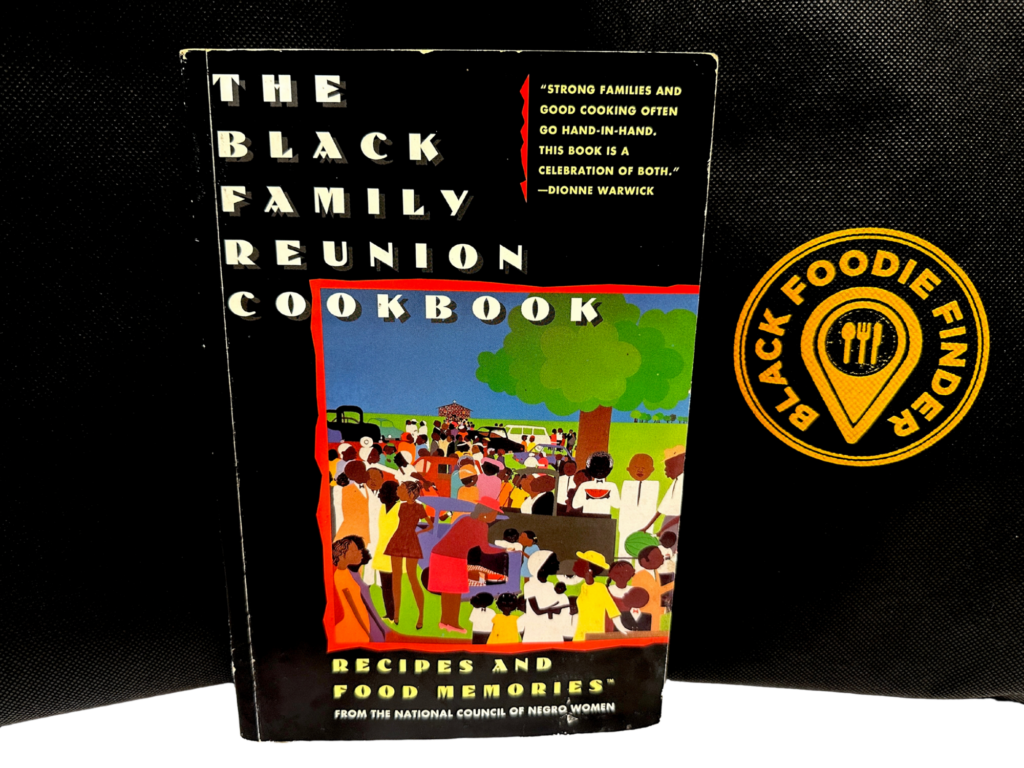
Original Cookbook Name: The Black Family Reunion Cookbook
Published By: The National Council of Negro Women, Inc.
Year of Publication: 1991
Page Number: 12
Author / Contributor: National Council of Negro Women
Heritage & Cultural Context
This “Ohio Pork Cake” is a revival of a historic, resourceful dessert rooted in the culinary traditions of rural Black communities in the Midwest—particularly Ohio. Cakes like this were commonly baked in the early 20th century, when nothing went to waste, and preserved meats like salt pork were used creatively in sweet dishes due to their richness and availability.
The Black Family Reunion Cookbook, curated by the National Council of Negro Women, honors dishes that were mainstays at family gatherings, church functions, and community celebrations. Pork cake was often baked around holidays or colder months, when dried fruits and preserved pork were staples in the pantry. The spices echo traditional flavorings found in African American holiday baking, while the molasses and raisins tie back to deeper Southern and Caribbean foodways.
Ingredients (As Written in the Book)
- 1 cup finely chopped salt pork
- 1 cup boiling water
- ½ teaspoon baking soda
- 1 cup molasses
- 1 cup sugar
- 1 cup raisins
- 1 teaspoon cinnamon
- ½ teaspoon nutmeg
- ½ teaspoon allspice
- ½ teaspoon ground cloves
- 3 cups all-purpose flour
Instructions
Original Instructions:
- Heat oven to 375°F. Grease 8-inch square pan.
- Place chopped salt pork in large bowl. Pour in boiling water. Cool to room temperature.
- Add baking soda to molasses. Stir until dissolved. Stir molasses, sugar, raisins, cinnamon, nutmeg, allspice, and cloves into salt pork. Stir flour in gradually until just blended. Pour into pan.
- Bake at 375°F for 1 hour to 1 hour 15 minutes or until toothpick inserted in center comes out clean.
Editor’s Note: For best texture, let the cake rest after baking before slicing. This rich, spiced cake keeps well and deepens in flavor over time.
Cultural or Historical Insight
Salt pork, once a cornerstone of survival cooking, was a frequent addition to both savory and sweet dishes across African American kitchens—especially during periods of economic hardship. The use of strong spices and molasses in this cake reflects African and Caribbean influences, where bold, warming flavors dominate festive baking. This cake may have made its way into many Midwestern Black homes via the Great Migration, where Southern cooking adapted to Northern pantry realities.
Visual Reference