Source Attribution
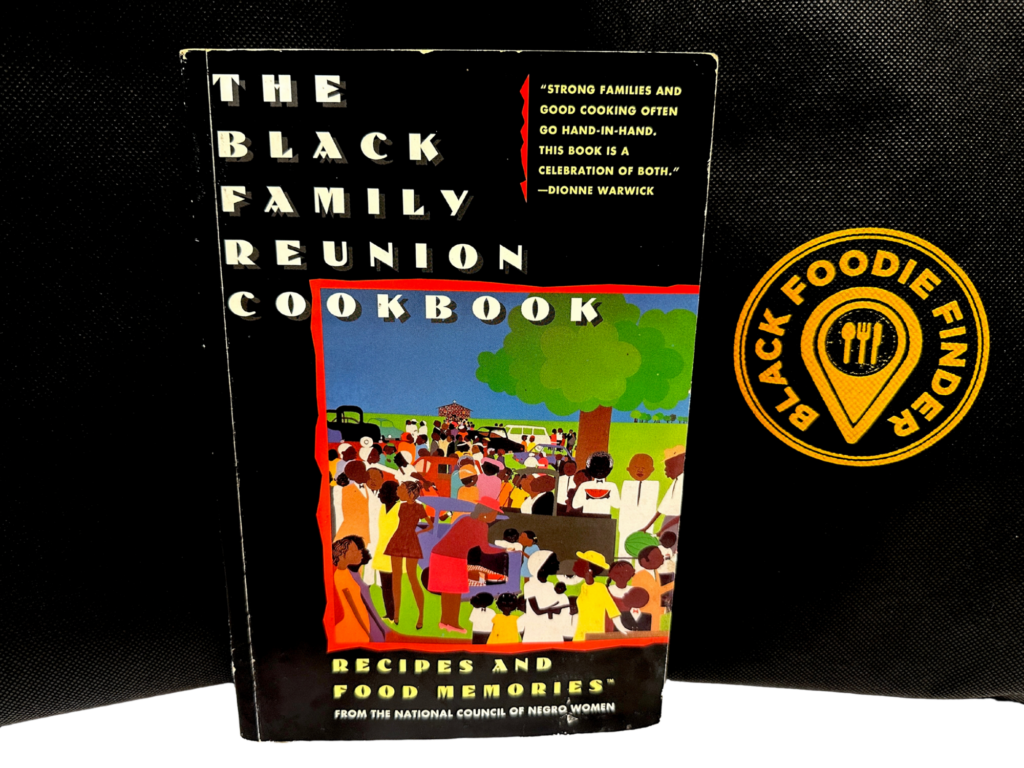
Original Cookbook Name: The Black Family Reunion Cookbook
Published By: Atria Books
Year of Publication: 1993
Page Number: 6
Author / Contributor: National Council of Negro Women
Heritage & Cultural Context
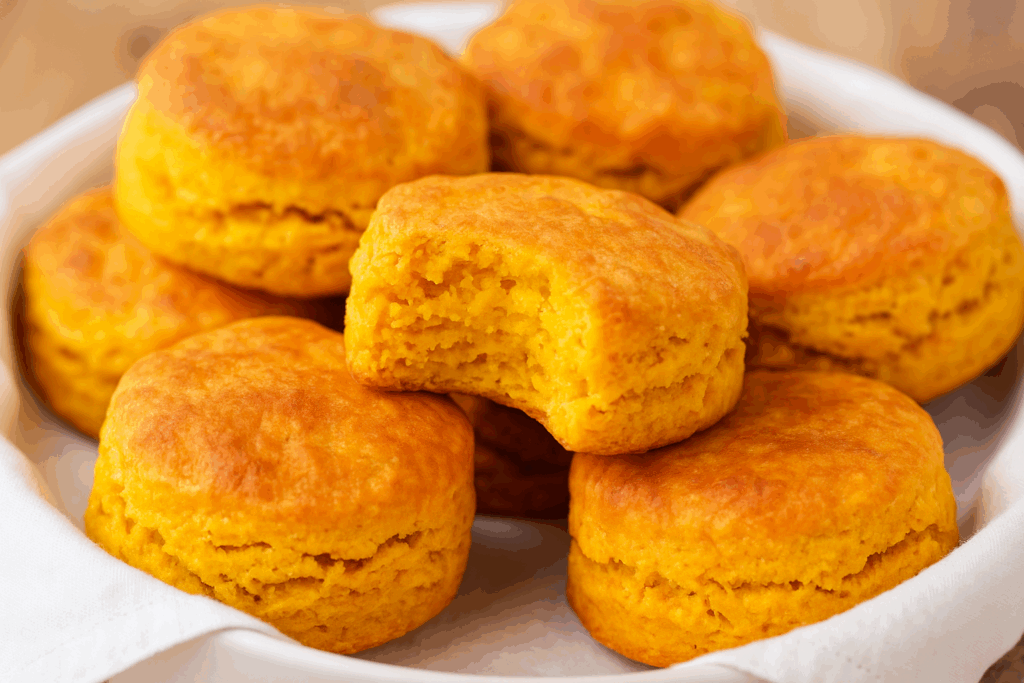
Sweet potato biscuits represent a comforting staple that merges the warmth of Southern biscuit traditions with the African-rooted legacy of sweet potatoes—an ingredient long cultivated and beloved in African American kitchens. These biscuits were often prepared for family breakfasts or festive meals and were especially cherished during holidays, church homecomings, and reunions. The sweet potato not only added flavor and softness but stretched ingredients in times of scarcity, making these biscuits both resourceful and nostalgic. Their inclusion in The Black Family Reunion Cookbook reflects a culinary tradition passed down through generations of Black home cooks, honoring the intersection of taste, thrift, and heritage.
Ingredients (As Written in the Book)
- 2 cups all-purpose flour
- 1 tablespoon baking powder
- ½ teaspoon salt
- ½ teaspoon cinnamon
- ⅓ cup shortening
- ¾ cup cooked mashed sweet potatoes
- ½ cup milk
Instructions
Original Instructions:
- Sift together flour, baking powder, salt, and cinnamon.
- Cut in shortening until mixture resembles coarse crumbs.
- Stir in sweet potatoes.
- Add milk, stirring just until dough is moistened.
- Turn out on a lightly floured surface and knead gently.
- Roll to ½-inch thickness.
- Cut into rounds.
- Place on a greased baking sheet.
- Bake at 425°F for 12 to 15 minutes.
Editor’s Note (Optional Modern Guidance):
Serve warm with butter or honey. These pair wonderfully with savory dishes like greens or fried chicken.
Cultural or Historical Insight
Sweet potatoes were a central crop in Southern Black communities—used not only for nutrition but symbolically for resilience and connection to African agricultural traditions. Biscuits using sweet potato helped minimize wheat flour use while adding nutrients and rich flavor. These baked goods are rooted in the survival strategies and ingenuity of Black cooks, making them a vital part of our culinary story.
Visual Reference